mingling
nounWhat Makes This Word Tick
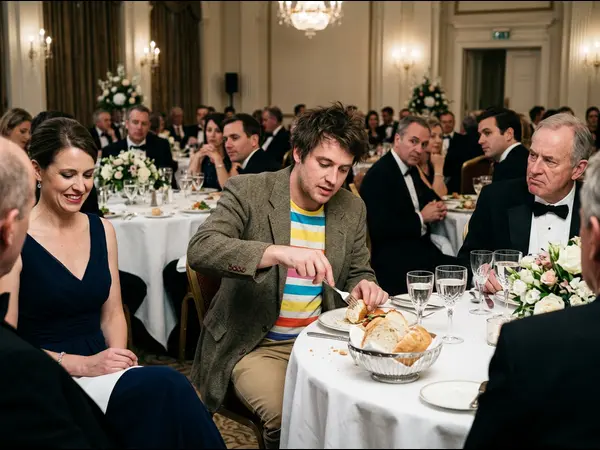
Mingling is mixing or interacting with others, usually in a social setting where people move between small conversations. It suggests an easy flow—joining, chatting, drifting, and reconnecting. Compared with meeting, mingling emphasizes informal interaction rather than a structured introduction.
If Mingling Were a Person…
Mingling would be the friendly guest who never stays in one corner for long. They glide from group to group, collecting small moments and spreading warmth like a polite spark. Being near them feels like the room is opening up.
How This Word Has Changed Over Time
Mingling has kept its core sense of mixing and interacting, especially in social spaces. The word remains useful because the behavior it describes is familiar across settings: people blending into a crowd and connecting briefly. Its meaning stays stable because it’s tied to a simple, observable action pattern.
Old Sayings and Proverbs
A proverb-style idea that matches mingling is that opportunities often come through the people you speak to, not just the people you already know well. That fits the definition because mingling is about interacting across a group rather than staying separate.
Surprising Facts
Mingling often implies movement—social mixing that happens by circulating, not sitting still. It also suggests lightness: short exchanges, quick introductions, and easy blending rather than deep one-on-one talks. The word can describe social behavior and also general mixing, as long as the idea is interaction and blend.
Out and About With This Word
You’ll often see mingling in party scenes, networking descriptions, and event invitations where the goal is casual interaction. It’s also used in writing about crowds or communities where people blend and connect. The word fits best when interaction is informal and spread across many people.
Pop Culture Moments Where Mingling Was Used
In pop culture, mingling often shows up in scenes where characters work the room—gathering information, making impressions, or simply finding their place in a crowd. That reflects the definition because the action is mixing and interacting across a group. Mingling is a classic setup for introductions, misunderstandings, and chance connections.
The Word in Literature
In literary writing, mingling is often used to set atmosphere in social spaces, suggesting motion, chatter, and shifting clusters of people. It can establish tone—busy, festive, awkward, or suspenseful—depending on what happens as characters interact. For readers, the word creates a sense of social texture: many small contacts happening at once.
Moments in History with Mingling
Throughout history, mingling fits gatherings where social mixing matters—markets, celebrations, meetings, and public events where people interact beyond their usual circles. This connects to the definition because mingling is about mixing and contact across groups. In many periods, mingling can shape alliances, spread ideas, and create social ties simply through repeated interaction.
This Word Around the World
Many languages have everyday verbs for “mix,” “blend,” and “socialize,” and they often combine these ideas when describing casual interaction at gatherings. The shared meaning is movement and contact among people rather than staying separate.
Where Does It Come From?
Mingling comes from mingle, traced to Middle English forms meaning “to mix,” and the -ing form highlights the ongoing action. The origin supports the modern feel of the word: blending and interacting in motion.
How People Misuse This Word
Mingling is sometimes used for any social time, but it specifically suggests mixing across a group rather than staying with one familiar person or one fixed conversation. If someone is simply attending, visiting, or chatting in one spot, mingling may be too strong. Use it when there’s real circulation and interaction.
Words It’s Often Confused With
Mingling is often confused with meeting, but meeting can be structured, while mingling is informal and fluid. It also overlaps with socializing, though socializing can include deeper, longer conversations, while mingling suggests brief interactions across multiple groups. Mixing is related, but it can be purely physical or abstract, while mingling often carries a social flavor.
Additional Synonyms and Antonyms
Additional Synonyms: commingling, fraternizing, circulating Additional Antonyms: segregating, distancing, withdrawing
Want to Try It Out in a Sentence?
"She enjoyed mingling with the guests at the party."
explore more words